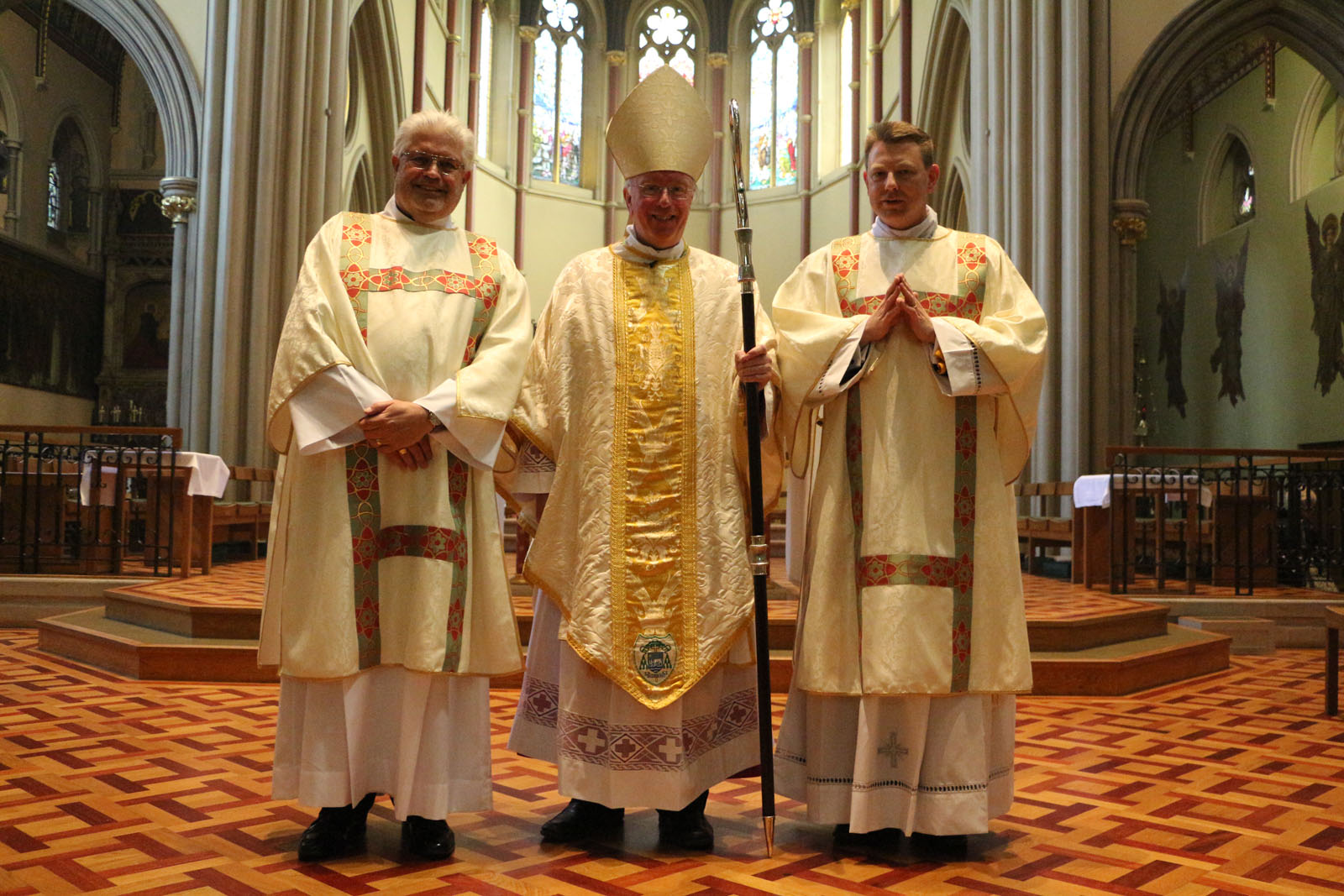
A Permanent Deacon is an ordained minister of the Catholic Church who has received the Sacrament of Holy Orders in the first of its three degrees: diaconate, presbyterate (priesthood), and episcopate (bishop).
The word deacon comes from the Greek word diakonos, meaning “servant” or “minister.” Through ordination, a deacon is configured to Christ the Servant and is called to serve the People of God through ministries of:
- The Word
- The Liturgy
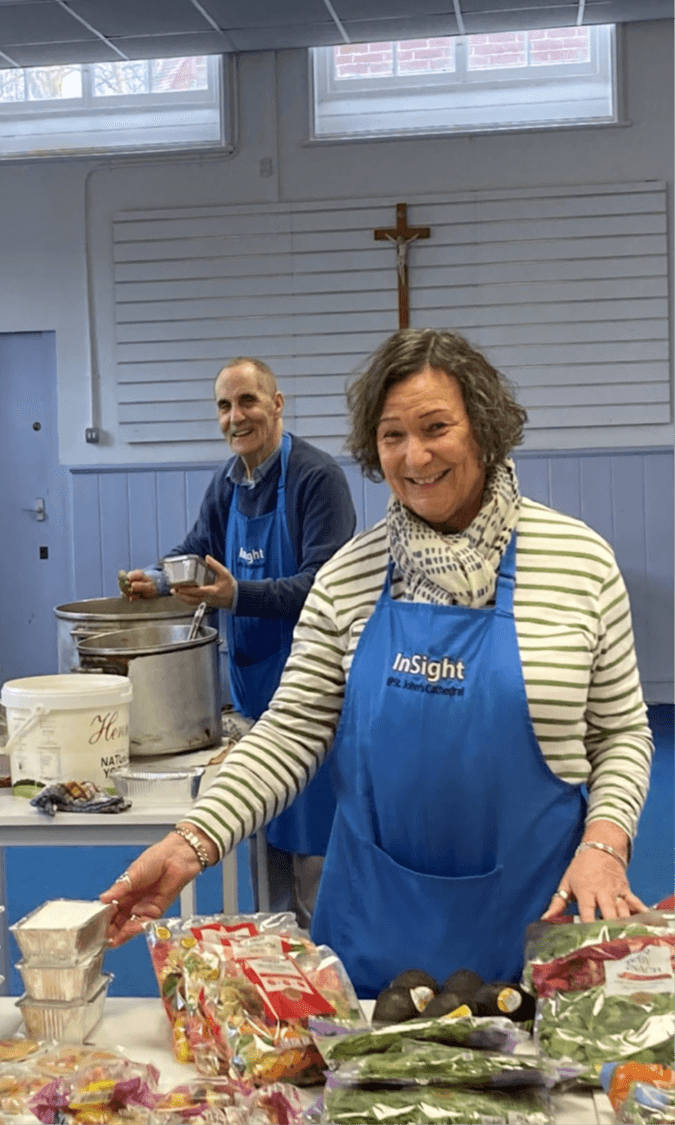
- Charity
Permanent deacons may be married or celibate men who are called to a lifelong ministry of service. Unlike seminarians who are preparing for the priesthood, permanent deacons are not ordinarily ordained priests.
What Ministry is the permanent deacon called to?
Ministry of Charity
- Service to the poor
- Prison ministry
- Hospital ministry
- Social outreach
- Justice and charity initiatives
Ministry of the Word
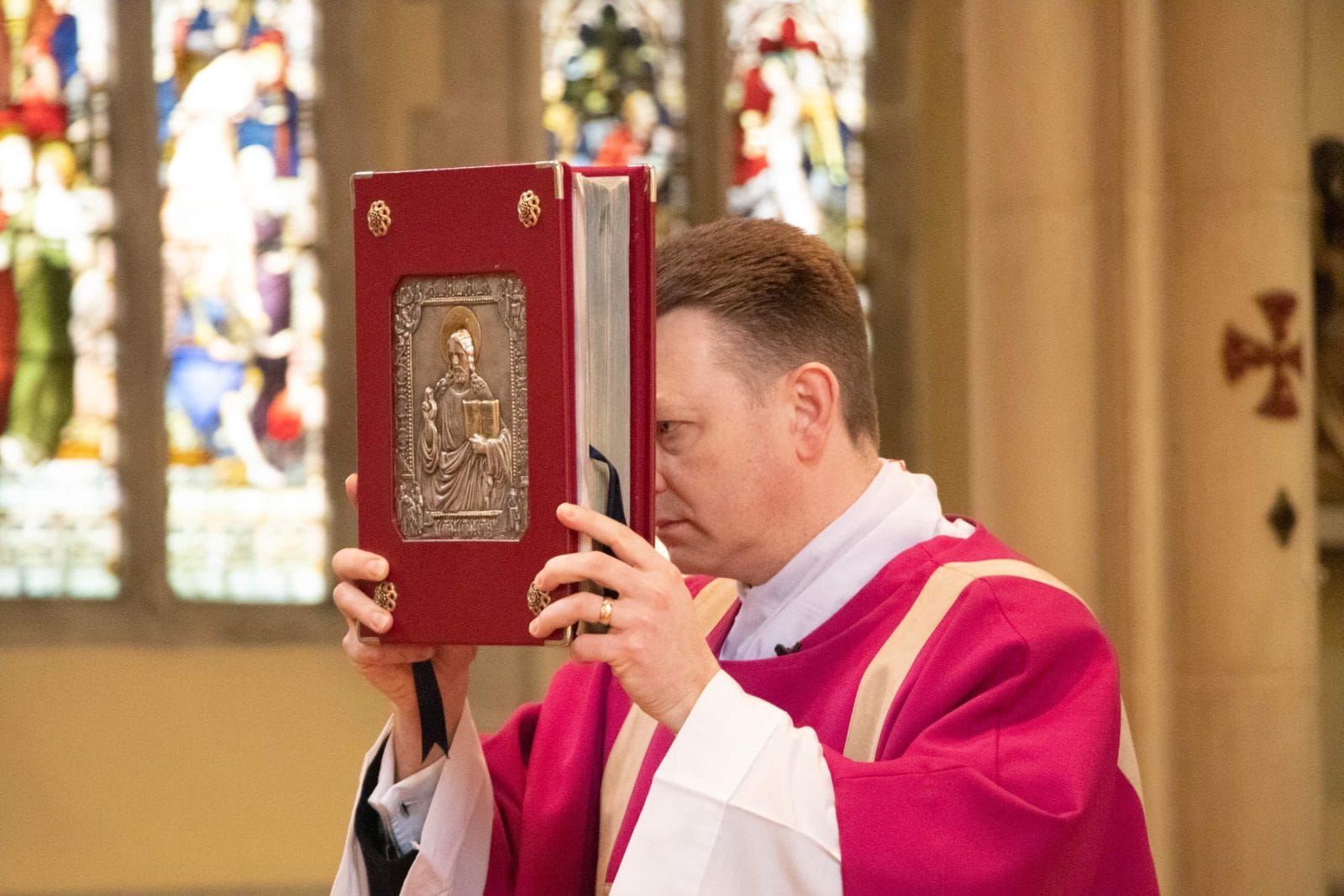
- Proclaiming the Gospel
- Preaching
- Catechesis
- Evangelisation
Ministry of the Liturgy
- Baptism
- Marriage
- Bereavement and Funeral rites
- Holy Communion
- Liturgical service
Is God Calling You?
- This could be in whispers from the Holy Spirit
- This could be in the affirmation from people who deeply care about you.
- This could be in your thinking about what you can do for the people of God
- This could be a spark of the divine during your prayers
- Your loving relationship with your spouse could be grounds to share the same love with the Church
Who Can Apply?
Eligibility Requirements
- Age requirements (before you are 65, ready for ordination)
- Baptism and Confirmation
- Practising Catholic status
- Parish involvement
- Character and maturity
- Health considerations
- Employment considerations
Married Candidates
The eligibility requirements plus include some of the below:
- Wife's consent
- Family support
- Marriage expectations
- Widower
Aspirant Stages (informal)
Include:
- Wife and Family
- Spiritual Director and Parish Priest
- Diaconate Department
- Nearest Deacon
- Come and See Event
The Formation Journey
Stage 1
Enquiry
- Initial contact
- Information sessions
- Meetings with the formation team
Stage 2
Application
- Formal application
- References
- Interviews
- Psychological assessment
- Home visit
Stage 3
Aspirancy
- Discernment
- Spiritual growth
- Assessment
Stage 4
Propaedeutic Formation
- Prayer
- Spirituality
- Introduction to ministry
Stage 5
Candidacy
- Admission to candidacy
- Preparation for ordination
Stage 6
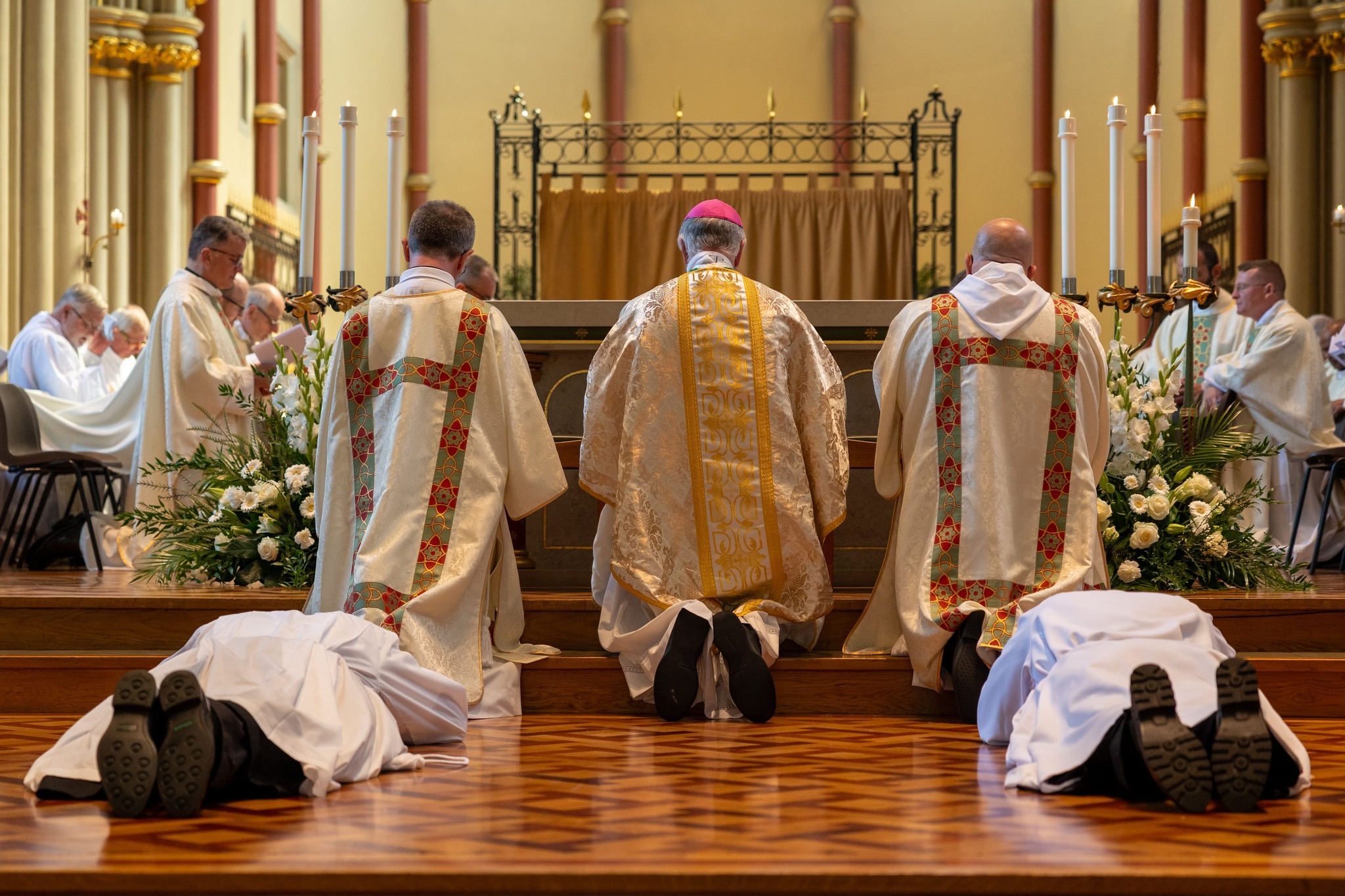
Ordination
- Rite of ordination
- Commitments undertaken
Academic Curriculum
Academic formation consists of 28 'modules'. Each module contains two meetings with the module tutor in the form of a lecture or seminar, completion of the tasks set out in the relevant workbook, and submission of a piece of written work or an oral exam. The modules cover: sacraments (5 modules), scripture (7 modules), other theology (5 modules), and other subjects (11 modules). This comes with support from formation tutors, peer groups and possible outside Oscott help.
Typical curriculum areas include:
Human formation
There is an academic module on human development and three skills sessions on listening and counselling. Other modules and sessions overlap with this area.
Spiritual formation
Oscott provides three retreats, an opportunity for spiritual direction and reconciliation, but most students have a spiritual director closer to home. The module on prayer and the skills session on spiritual direction contribute to spiritual growth, but spiritual formation happens mostly in the home diocese, outside Oscott.
Pastoral formation
The Parish Priest is responsible for arranging pastoral placements, supervision, and pastoral assessment of the candidate in conjunction with the Diocesan Director. Normally, this begins with activities in one’s own parish, deanery, prison, hospital, food bank, school and charities that are of help. Pastoral placements are often tailored to local needs
Wives & families
Most candidates for the permanent diaconate are married. Some are celibate and may never marry. The Church emphasises the primacy of married family life. Hence, a candidate can put himself forward to receive both the Sacraments of Marriage and Holy Orders.
The Formation Programme seeks to ensure that the balance between work, family and ministry is successfully made and recognises the importance of wives and families in the development of candidates.
Wives are welcome to come along for some study days at Oscott. A structured date and activities are put in place. The Diocesan Core Team supports wives via platforms for prayers, spiritual development, pastoral awareness, sharing of concerns, questions and socials.
However, it is not possible to welcome children to the formation days, due to the demands of the programme and the lack of appropriate childcare facilities on site.
The Four Dimensions of Formation are:
· Leadership
· Communication
· Emotional development
· Relationships
· Retreats
· Spiritual direction
· Sacramental life
· Diaconal spirituality
· Theology
· Liturgy
· Canon Law
· Church History
· Catholic Social Teaching
· Pastoral placements
· Chaplaincy experience
· Service to the poor
Ministry After Ordination
- Parish ministry
- Chaplaincy
- School ministry
- Prison ministry
- Hospital ministry
- Evangelisation
- Catechesis
- Social outreach
Ongoing / Continuing Formation
- Annual retreats
- Study days
- Clergy gatherings
- Safeguarding updates
- Continuing theological education
- Peer support