A vocation to the religious life is a gift from God the Father: a call to be totally conformed to Christ through the grace of the Holy Spirit, for the service of the Church.
It is the total consecration of oneself to the love and service of Jesus Christ. Through their consecrated life, religious men and women seek to follow Christ more closely, giving themselves to Him through prayer, community and mission, according to the particular charism of their religious institute.
The religious person stands as a prophetic sign of the supreme good and destiny that all will find in God alone. Their life is a reminder to the world that human life finds its ultimate fulfilment in God.
Throughout history, God has raised up men and women who desire to live their baptismal consecration in a more radical way, in imitation of Christ who was chaste, poor and obedient. Thus, the consecrated life “constitutes … an abiding re-enactment in the Church” of Christ’s own way of life. (Vita Consecrata 22, quoting Lumen Gentium 44)
A vocation is not simply something we decide for ourselves. It is a response to God’s invitation. The Church recognises a number of different forms of consecrated life, including religious, monastic and contemplative life, as well as other forms of consecration. Each has its own particular charism and mission, but all are centred on the same fundamental call: to belong more completely to Christ.
Discernment
“The desire for God is written in the human heart, because man is created by God and for God; and God never ceases to draw man to Himself. Only in God will he find the truth and happiness he never stops searching for…” Catechism of the Catholic Church, 27
Could God be calling you to religious or consecrated life?
You may have many questions. You may feel excited, afraid, uncertain — or all three at once.
You don’t need to have everything worked out before you begin. Discernment is the process of prayerfully discovering what God is calling you to, with the help of the Church and those who can accompany you.
Here are three important steps to help you on your way:
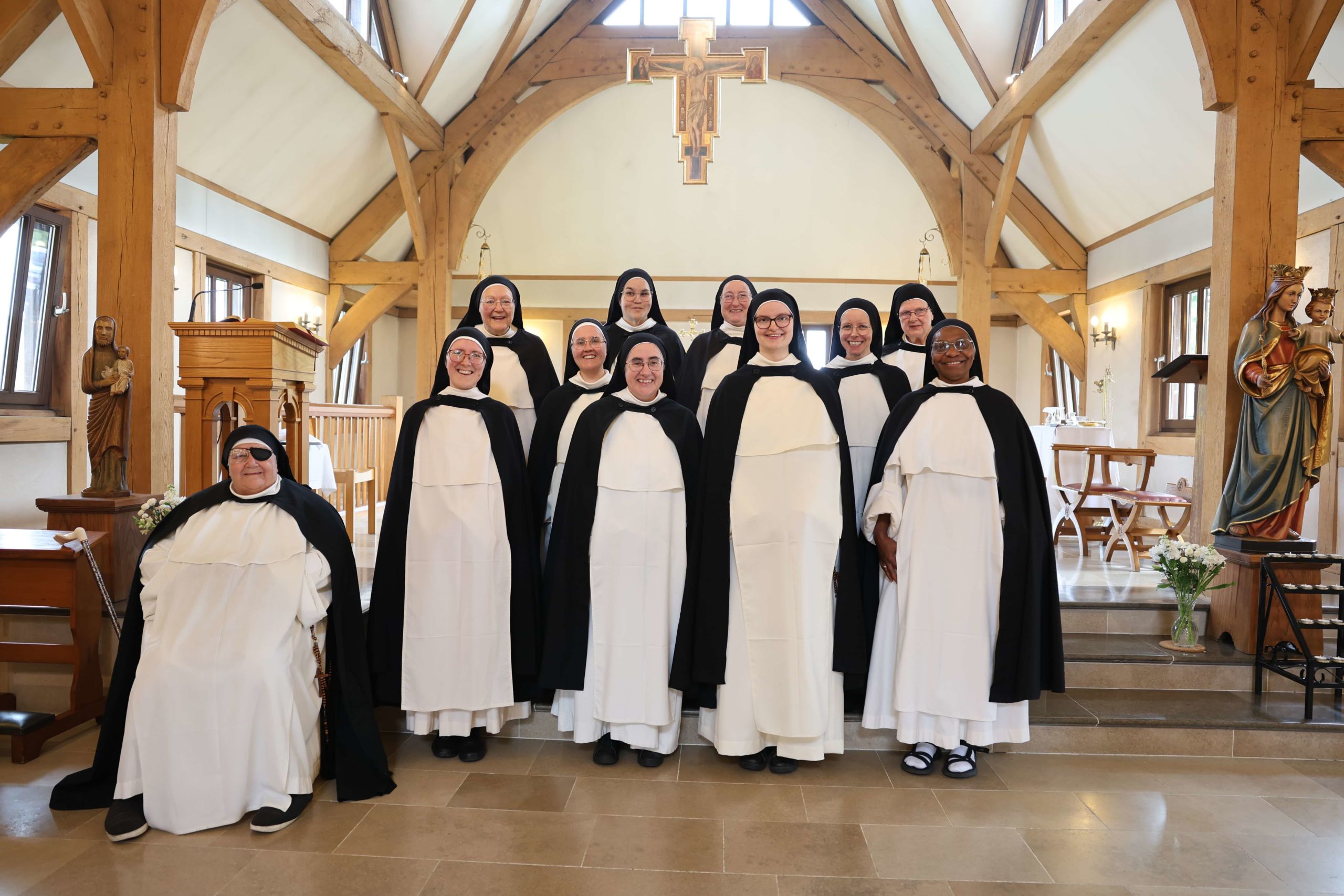
The Dominican Sisters of St Joseph – Official Website
- Pray
Prayer is always the place to start. If you are seeking to discover God’s plan for your life, begin by spending time with the One who is calling you. Prayer is not about trying to force an answer from God. It is about becoming attentive to Him and allowing Him to speak into the deepest desires of your heart.
How do we pray and engage with the Lord?
Primarily through the Sacraments, especially the Eucharist, as well as through Eucharistic Adoration and in Sacred Scripture. Try to make space for silence. Bring your hopes, fears and questions honestly before the Lord. You might simply begin with the prayer:
“Lord, what do you want me to do with my life?”
And then allow yourself to listen.
- Learn
Discernment involves learning — both about the vocation you are considering and about the person God has created you to be.
Begin by asking questions:
- What are religious sisters, nuns, brothers, monks and friars?
- What is consecrated life?
- What are the Evangelical Counsels of poverty, chastity and obedience?
- What different forms of religious and consecrated life exist?
- What spirituality, charism or mission attracts me?
- What particular religious communities embody these charisms?
- What does everyday life look like in these communities?
The more you learn, the more clearly you may begin to recognise what attracts you and where God may be leading you.
Discernment is also an opportunity to grow in self-knowledge:
- What are my motivations and desires in discerning a religious vocation?
- What gifts has God given me?
- Where do I find genuine joy in serving God and others?
- What kind of life draws me towards a deeper relationship with Christ?
- What fears or attachments might be holding me back?
- Am I able, with God’s grace, to embrace the particular demands of this vocation?
You do not need to answer all these questions immediately. Bring them to prayer and talk about them with someone you trust. And do not be afraid.
God never forces anyone into a vocation. God invites us to cooperate freely with His grace.
- Act
However important prayer and reflection are, discernment cannot remain entirely in our heads. At some point, we need to take a step. This can feel awkward or frightening, but you do not have to discern alone. Discernment takes courage and patience, together with a willingness to put yourself out there — both figuratively and literally.
Talk about it
Speak with someone who can accompany you: a spiritual director, priest, religious sister or brother, vocation director or trusted friend.
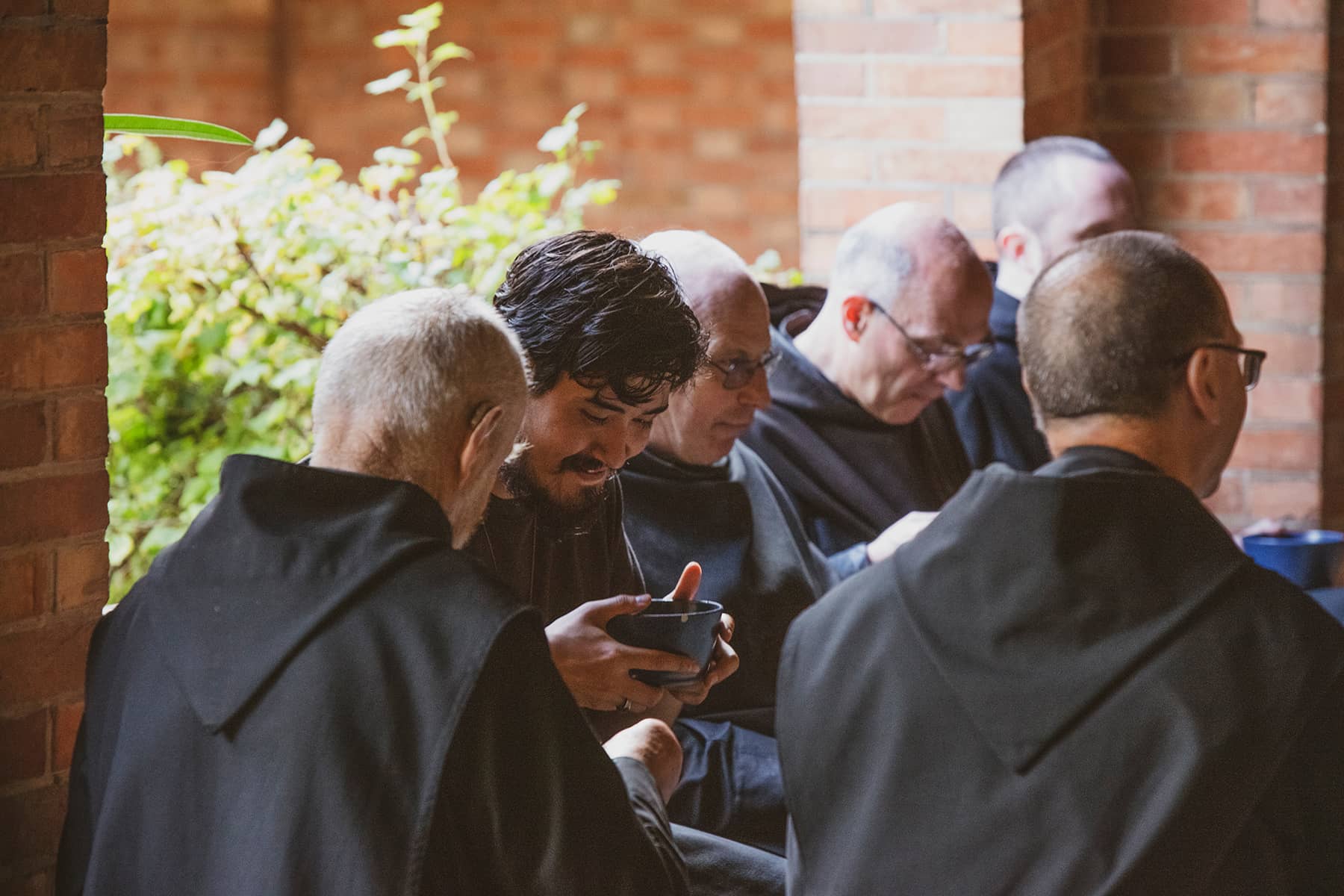
Ryde Benedictines- (Solesmes Congregation) – Official Website
Visit communities
Get to know real, living, breathing sisters and brothers!
A religious vocation is lived by real people in real communities. Visiting a community allows you to see how they pray, work, live together and serve the Church. Many religious communities offer opportunities for vocation or discernment retreats, as well as individual visits for those who want to explore their vocation further. Don’t be afraid to ask questions. If you have found a community whose way of life resonates with you, don’t be afraid to take the next step.
Speak to the vocation director. Ask about beginning a more formal period of discernment. Find out what the community’s formation process involves.
You are not making every decision about your future at once. You are simply taking the next step and trusting God with the steps that follow.
Don’t Be Afraid
It is natural to feel afraid when you begin to consider giving your whole life to Christ.
You may wonder:
What if God asks me to do something I don’t want to do?
What if I’m not holy enough?
What if I make the wrong decision?
What if I discover that religious life isn’t for me?
Bring these fears to prayer .God is not trying to trick you. He does not force His will upon you. A vocation is an invitation to love and to give yourself freely.
God knows you better than you know yourself. He knows the desires of your heart, your gifts and weaknesses, your hopes and fears. He calls each of us towards the fullness of the person He created us to be. You don’t need to know the whole journey. You only need the courage to take the next step.
Come and See
The Diocese of Portsmouth is blessed with a rich variety of religious communities and houses of prayer. There are communities of men and women, including Benedictines, Franciscans, Carmelites, Dominicans, Jesuits and others, each with their own particular charism and mission.
Take the opportunity to visit. Pray with them. Ask questions. Listen to their stories. Experience something of their daily life.
You may discover that the community you imagined is very different from the community you actually encounter. And that is precisely what discernment is for.
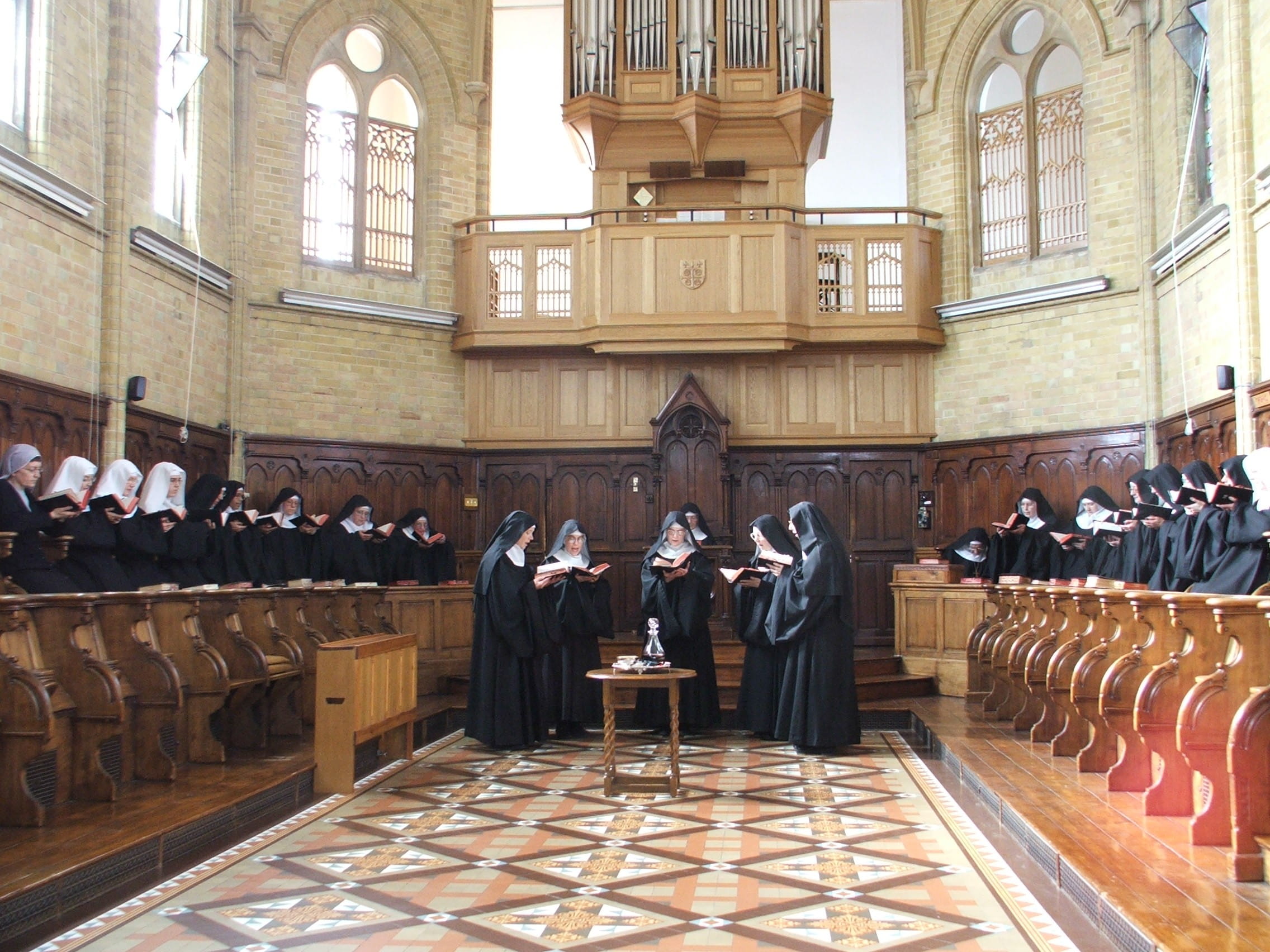
Benedictine Nuns (Solesmes) of St Cecilia’s Abbey – Official Website
Your Next Step
If you think God may be calling you to religious or consecrated life, you don’t need to be certain before making contact.
You could begin simply by:
- Praying — asking the Lord to show you His will.
- Talking — sharing your questions with a priest, spiritual director, religious or vocation director.
- Learning — discovering the different forms of consecrated and religious life.
- Visiting — spending time with a community and experiencing its life for yourself.
- Discernment — taking the next step with the help of the Church.
The important thing is not to have all the answers. It is to be willing to ask the question.
“Lord, what are you calling me to?”
You can find all the religious communities in our Diocese by checking our Religious Houses page.