Religious education in our Catholic primary schools aims to promote:
- Knowledge and understanding of Catholic faith and life;
- Knowledge and understanding of the response of faith to the ultimate questions about human life, its origin and purpose;
- The skills required to engage in examination of and reflection upon religious belief and practice.
In the Catholic Diocese of Portsmouth, religious education is primarily taught through the God Matters scheme. From September 2026, all our primary schools will move to an approved diocesan resource to deliver the RE Directory.
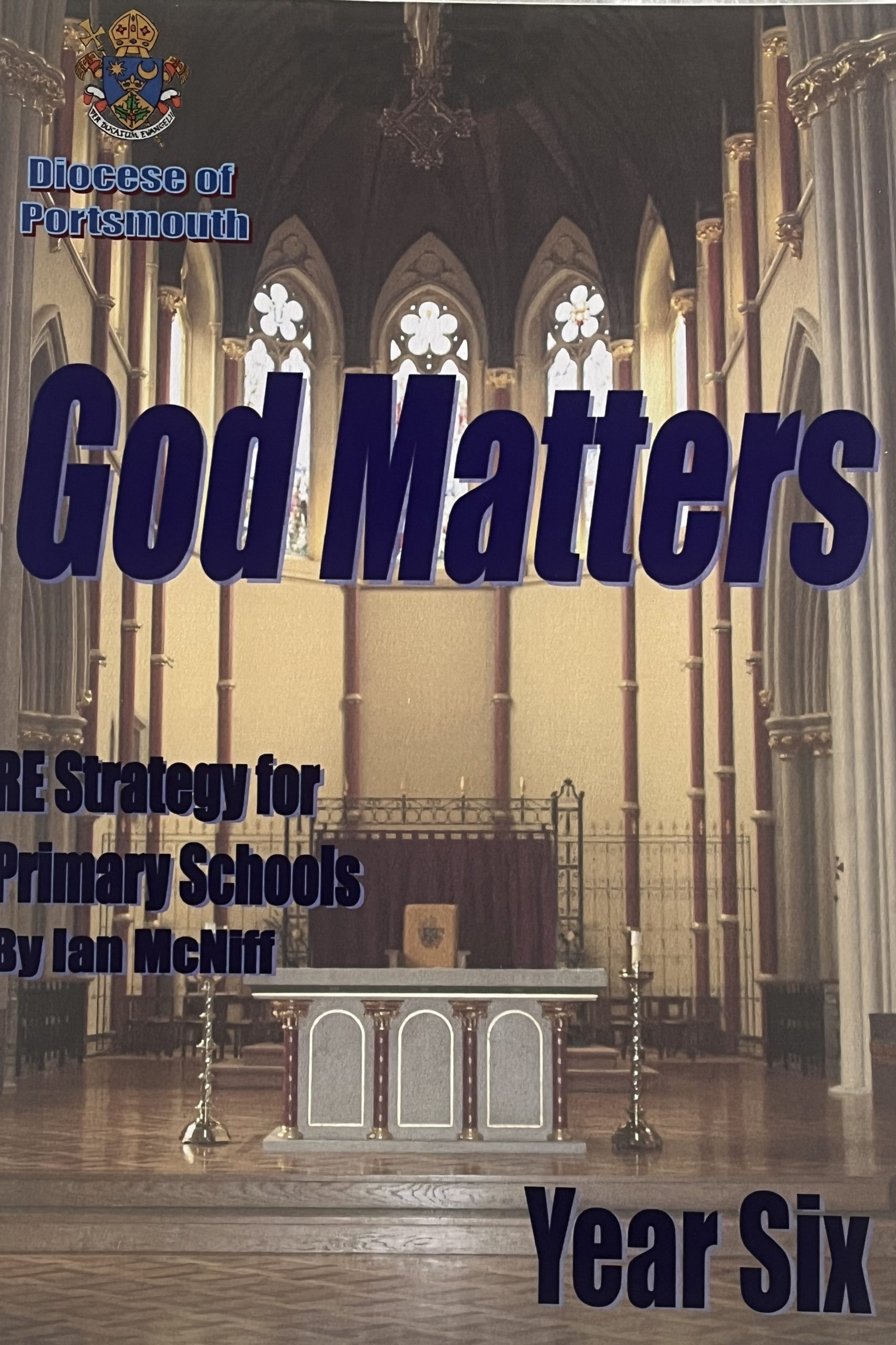
Below you will find links to support materials for the current God Matters scheme, including an introduction to the programme, an overview, planning, supplementary guidance and support for assessment.
God Matters Unit Planner (overview of content)
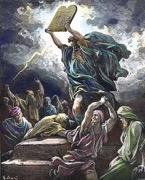
Explores the call to be the ‘People of God’ and the need to be part of God’s creation by overcoming disharmony, by upholding God’s law.
Explores the ten commandments.
Explores the importance of ‘shalom’ and the Sabbath in the Jewish faith.

Explores how we can all make a difference, however small, to improve our common home.
Explores links between Catholic Social Teaching and the Gospels.
Explores the Church’s social teaching, particularly the Christian duty to lead by example and reach out to those in need.
Examines the two parts of the season of Advent through parables, prayers and hymns of the Church.

Looks in detail at the Birth of Jesus, expressed as ‘The Word’ in St John’s Gospel.
Explores the meaning of ‘Incarnation’.
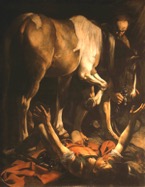
Looks at the personal relationship St Paul enjoyed with God.
Looks at Matthew 28, to consider what is meant by ‘Apostolic Tradition’.
Considers the work of the ten Gurus in the Sikh religion and what their key teachings are.

Looks at the Sacraments of Baptism and Confirmation, as revelation of the Holy Spirit.
Looks at our role in the Church.
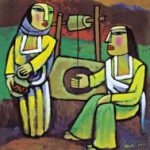
The means by which we prepare for Easter are explored in depth, through the teachings of Jesus in the parable of the rich man and Lazarus and the account of the Samaritan woman at the well.
Explores the history of the Jewish faith.
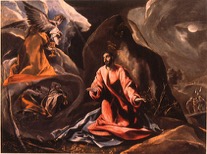
Considers what happened in the Garden of Gethsemane and the denial of Peter.
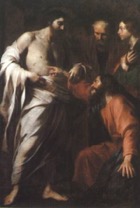
Examines the Easter story through the eyes of Thomas and the sources of doubt.
Examines the belief in eternal life through the life of the Church today (funerals).
Explores the Hindu belief in reincarnation

Considers the importance of the gifts of the Holy Spirit, as expressed through Confirmation and their effect on the life of the Church.
Explores the account of the coming of the Holy Spirit in John’s Gospel.
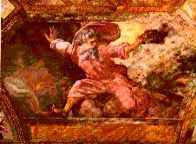
Explores how we become creators, which involves the two creation stories in Genesis.
What it means to be the People of God, as expressed by St Paul and as expressed in the Beatitudes.
Looks at importance of peace through the five pillars of Islam.
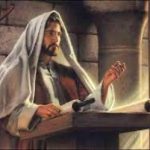
Explore how Jesus reached out to all, particularly the marginalised.
Explores links between Catholic Social Teaching and the Gospels.
Explores the Church’s social teaching, particularly the Christian duty to see Christ in all we meet and to show them respect and dignity.
Connects the coming of Jesus with the promise revealed in the Old Testament and looks at the titles that were given to the expected Messiah in the Old Testament.

Explores the difficulties faced by Mary and Joseph as revealed in Mathew’s Gospel, including the role of King Herod.
The implications of the Christmas story for us today are also looked at.

Study of certain parables looks at our understanding of the Kingdom of God and explores how the divine revelation is communicated, particularly in baptism.
Explores stories told by Guru Nanak and other gurus.
Looks at the commitment expressed in the Sacraments of Holy Orders and Matrimony.

Looks at the concept of temptation.
Looks at how preparation for Easter involves becoming more like Jesus through St Paul’s teaching.
Explores Jewish understanding of repentance.
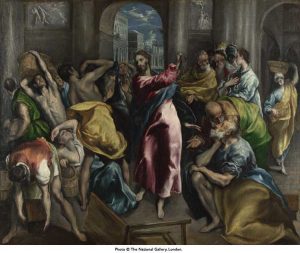
Provides a focus on Jesus driving the traders from the temple.

Examines the Church’s belief in eternal life, as shown in the Easter story.
Explores the story of Lazarus.
Looks at symbolism in Hinduism.
Other Resources
Explores the Church’s belief in the Holy Spirit within the Trinity.
Looks at the role of the apostles proclaiming the Good News.
Explores being made in the image and likeness of God, as seen through the story of Genesis and how we are called to respect all similarities and differences.
Looks at how we are called to eradicate injustice through the work of CAFOD.
Examines issues of reverence and respect in the Jewish faith and the Torah.

Explores links between Catholic Social Teaching and the Gospels.
Explores the Church’s social teaching, through the vehicle of Pope Francis’ encyclical Fratelli Tutti (all brothers and sisters) and the question posed to Jesus, ‘Who is my neighbour?’.
The First Coming of Jesus is placed in historical context though the lives of his ancestors (House of David).
Explores the nature of the Messiah.
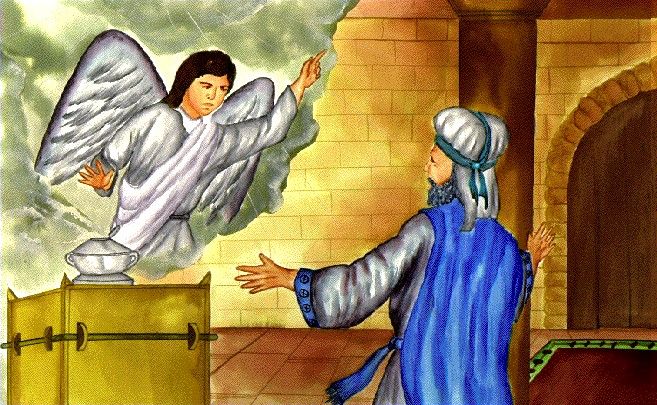
The role of angels in the story of Christmas as messengers of Jesus’ Good News is examined.
The feasts associated with Christmas, such as the Annunciation and the birth of John the Baptist, are also explored.
Looks at how the apostles and Anna and Simeon saw the glory of Jesus as the only Son of the Father.
The revelation of Jesus as Light of the World.
Looks at the celebrations of light over darkness in the Sikh religion.

Explores the nature of vocation and its symbolism in preparation for work on the Sacraments of Vocation in year 5. This is done through Old Testament stories, which show how God calls people in faith and the symbolism of anointing.
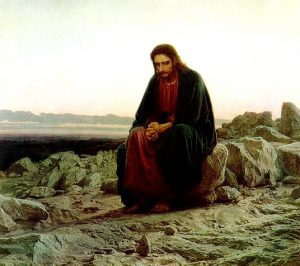
Examines Jesus’ time in the wilderness.
It also explores how prayer, fasting, almsgiving and living out the Beatitudes help us prepare for Easter.
Examines the importance of Yom Kippur in the Jewish religion.
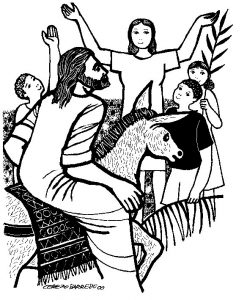
The reasons for the death of Jesus are explored through his Passion and death.
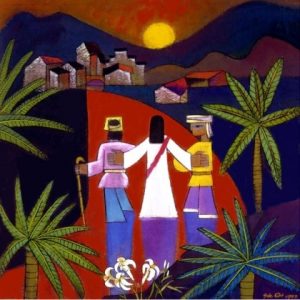
Looks at the risen Jesus, shown through the Ascension and other stories.
Explores the Hindu festival of Diwali.
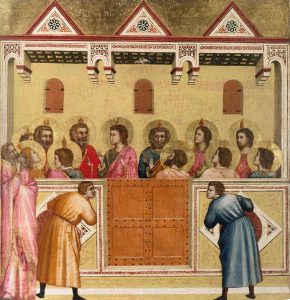
Explores the events of Pentecost in detail and looks at how the gift of languages is expressed.
Examines the qualities of a follower of Jesus as expressed in Colossians
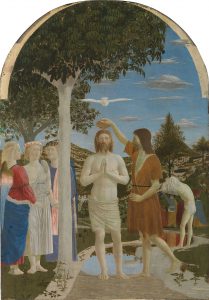
Examines how we are called to be part of God’s creation through baptism.
Explores how Jesus calls us and called his disciples.
Looks at initiation rites of the Hindu and other religions.
Builds on the work in the Creation unit to explain how we are given the important role of being stewards of God’s Creation.
Explores links between Catholic Social Teaching and the Gospels.
Explores the Church’s social teaching, particularly the Christian duty to value all as a child of God and show them dignity and respect.
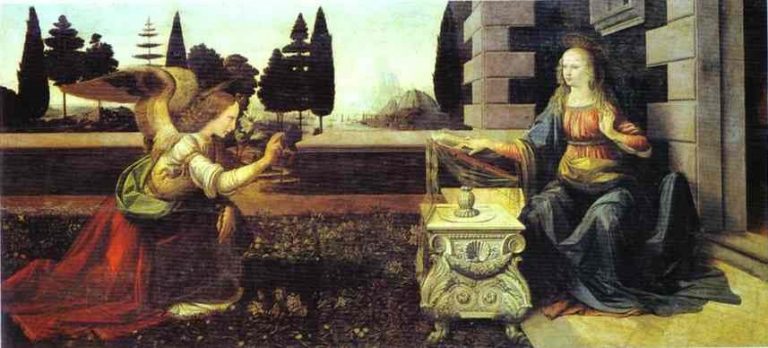
Explores Advent as a time when we prepare for Christmas and recognise Jesus in the world.
It looks at the story of the Annunciation.
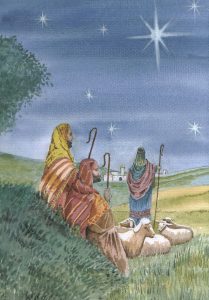
Through the shepherds, we reflect on the nature of Jesus’ Birth.
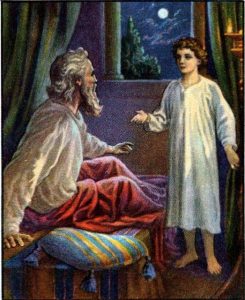
Introduces work on the Presentation and Baptism of Jesus as signs of God’s revelation.
Explores the Liturgy of the Word as revealing God.
Looks at what Sikhs do at the Gurdwara (Sikh temple) and the holy days and festivals for the Sikh religion.

Looks at the Sacrament of the Eucharist.
Looks at what happens during Mass and the meaning behind what happens.

Looks at how Jesus changed the people he met and deepened his relationship with the Father through prayer.
Explores how Jewish people pray.
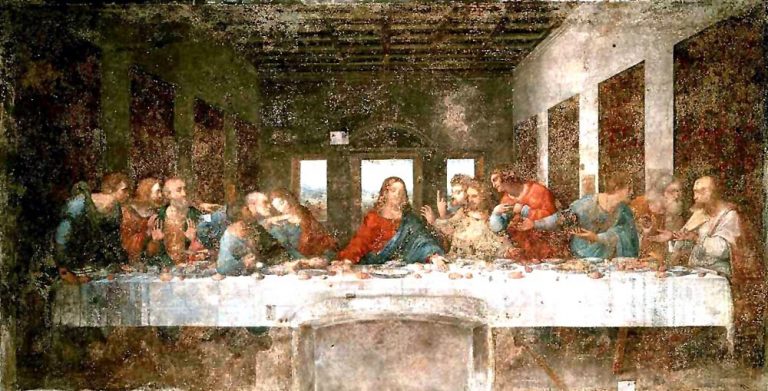
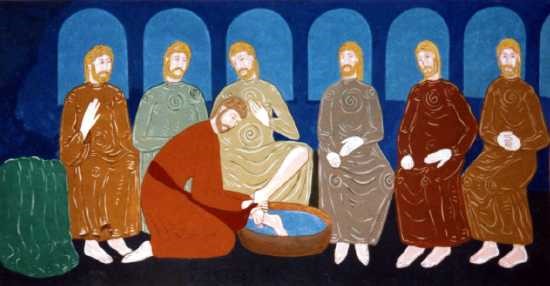
Places the Last Supper in with events of Holy Week. There is a particular focus on the Last Supper because of its connection with the Mass.
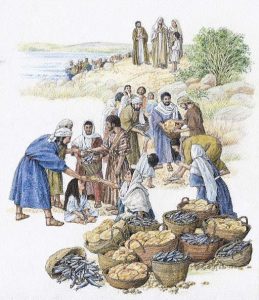
Provides a focus on the appearance of Jesus to his disciples.
Symbolism of the Easter season, including the liturgical colours, is explored.
Explores Hindu worship.
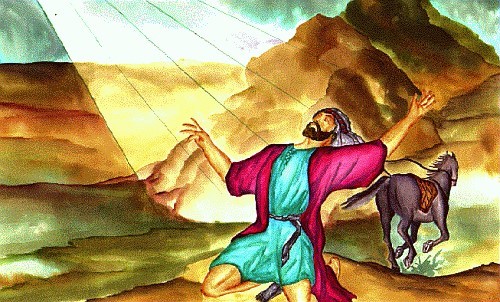
Explores the effect of the Spirit and the role of the Holy Spirit in the Eucharistic Prayer.

Looks at God as creator and how He works through His people to protect His creation.
Explores why the Old Testament is proclaimed as the Word of God.
Looks at the Jewish festival of the harvest (Sukkot).
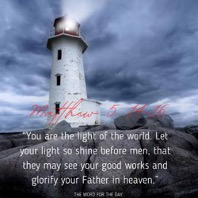
Explores links between Catholic Social Teaching and the Gospels.
Explores the Church’s social teaching, particularly the Christian duty to be a light to others and lead by example by reaching out to those in need.
Looks at the symbolism to help us get ready to meet Jesus.

Shows how we can get to know Jesus through the journeys of others.
Looks at the journey of the Magi in detail and introduces the Flight to Egypt.
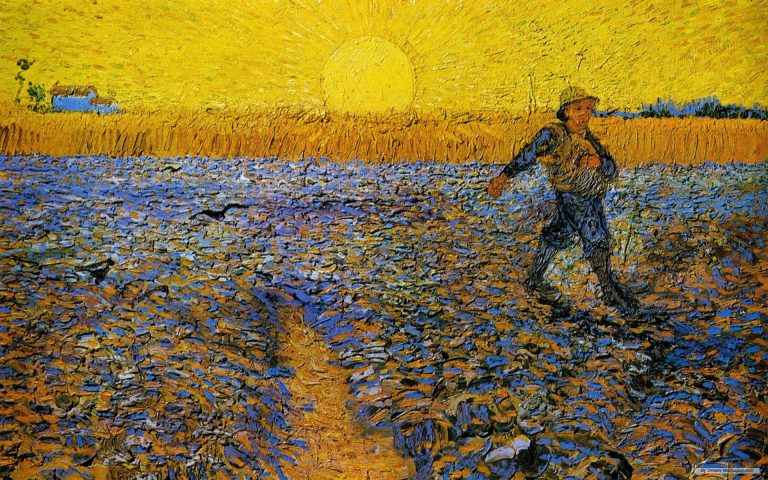
Explores stories from Scripture, which show how special Jesus is. It looks in particular at the miracle stories.
Looks at the three duties of a Sikh.
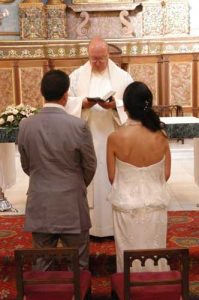
Looks at what a sacrament is. This is done through exploration of what happens during the Sacraments of Baptism, Matrimony and the Eucharist.

Looks at Lent as being preparation for Easter, commencing with Ash Wednesday and being a time of seeking forgiveness and doing penance.
Looks at the Our Father.
Looks at the Torah and the Jewish faith.
Looks at the arrest and crucifixion of Jesus and considers Holy Week events through the eyes of Mary.
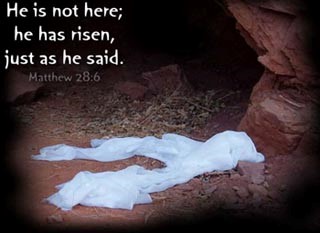
Looks in further detail at the account of the empty tomb.
Thomas is introduced, to show that people responded in different ways to the Resurrection of Jesus.
The Hindu feast of Holi is studied.
Examines the nature of the promise made by Jesus to send his Spirit.
Identifies Pentecost as the birthday of the Church.
Examines the link between Pentecost and Confirmation.

Introduces the account of creation in the Bible.
We learn how to praise God for His many gifts and that psalms are prayers of praise.
The Jewish religion is introduced and that Jews give thanks and praise to God.
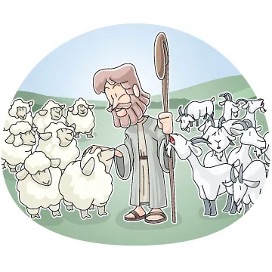
Builds on the work in the Creation unit to explain how we are given the important role of being stewards of God’s Creation.
Explores links between Catholic Social Teaching and parables told by Jesus.
Explores the Church’s social teaching, particularly the Christian duty to reach out to those in need.
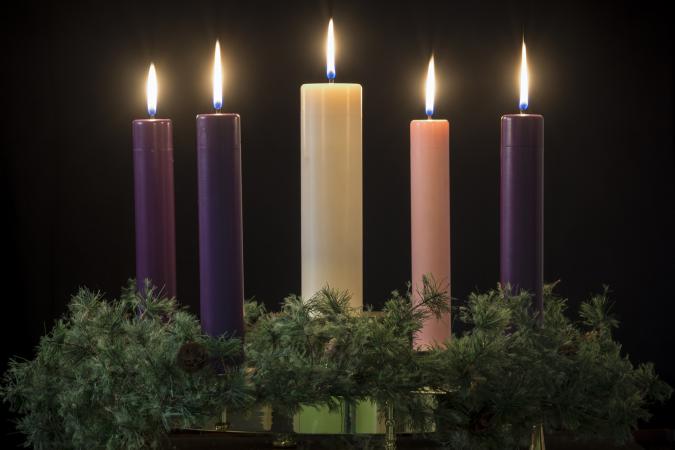
Looks at getting ready for the birth of Jesus through the eyes of Mary and Joseph and helps to identify their response to God.
Looks at how the birth of Jesus changed others.
Shares the story of the Wise Men and the reasons they brought gifts.
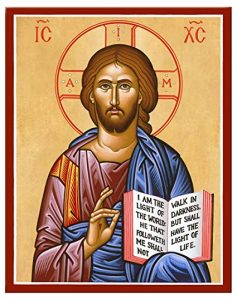
Reveals how God shows himself to us in Jesus.
Looks at the signs Jesus gave us to show that God’s kingdom was in him.
Looks at Jesus as a teacher and a healer.
Looks at the Sikh religion and introduces Guru Nanak.
Starts to focus on forgiveness and healing.
Establishes the relationship of the actions of healing and forgiveness with Jesus.

Explores the basic meaning of Lent and links it to the life and teachings of Jesus.
Looks at how we can get ready for Easter by changing.
The Sabbath day is explored in the multi-faith element.
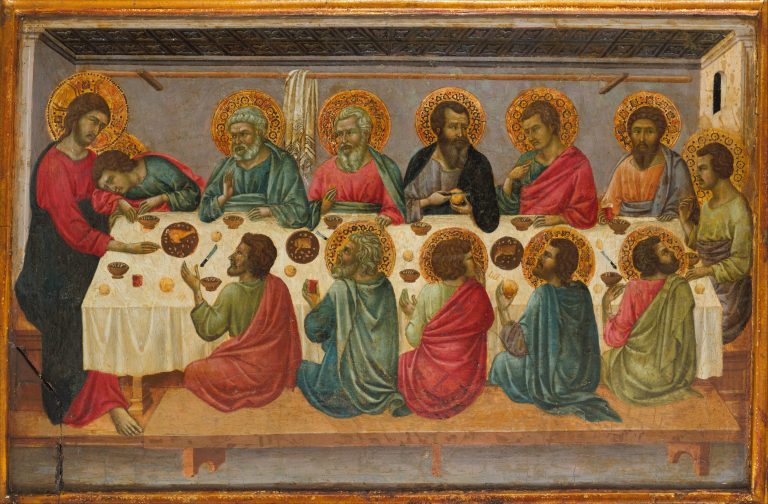
Highlights the importance of the Last Supper and introduces the Stations of the Cross as a prayer.
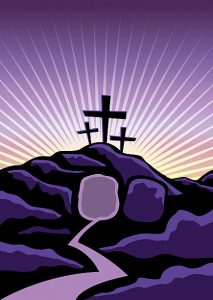
Will look at the impact that the Resurrection had on the lives of the ordinary people who witnessed it.
Explores stories of Hinduism.
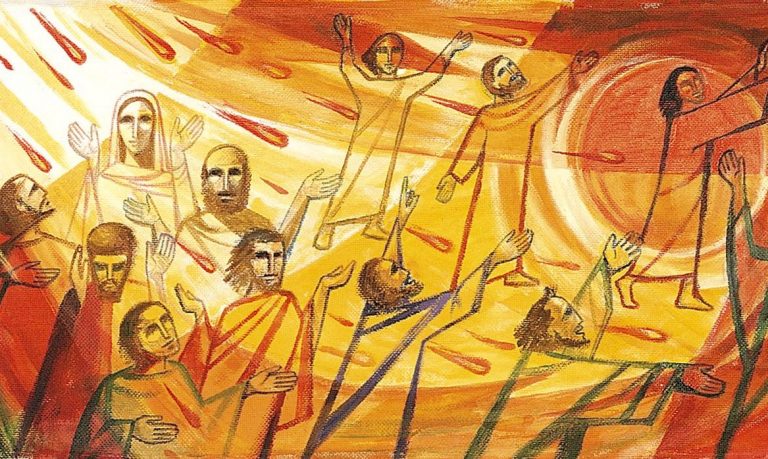
Looks at the events of Pentecost, its meaning and how it changed the lives of the followers.
Introduces God as creator of all and our response to the world He created.
Explores ways of talking to God through prayer.
Explains and introduces the Sign of the Cross.

Introduces the Church’s social teaching.
Explores how we are called to be loved and to share our love with others, particularly those in need.
Explores links between Catholic Social Teaching and parables told by Jesus.

Introduces Advent as a special time when we get ready for the birth of Jesus.
Explores the story of the first Christmas.

Looks at how God is shown in our lives and through the work of others, including the priest.
Introduces the Sikh religion.
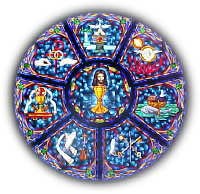
Introduces the idea of God’s presence at all times in our lives.
Uses language of sacraments.
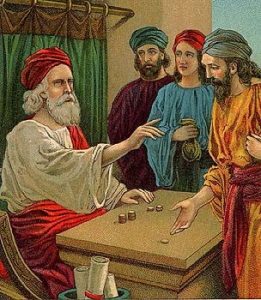
Introduces Lent as a time when we get ready for Easter and introduces, through the example and teaching of Jesus, different ways of getting ready.
Looks at how Jesus followed the Jewish faith and explores how Jewish people attend a synagogue to pray.
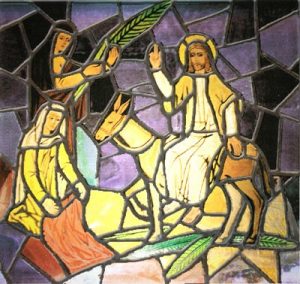
Explores the events which led up to Easter.
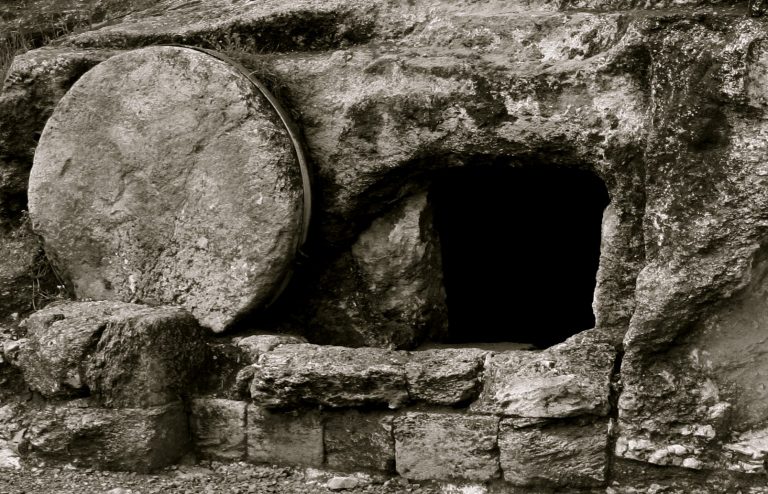
Looks at the joy of the Easter season by reflecting on the emotions of those discovering the empty tomb.
Introduces the Hindu religion.

Looks at events of the upper room and explores what a friend of Jesus does.