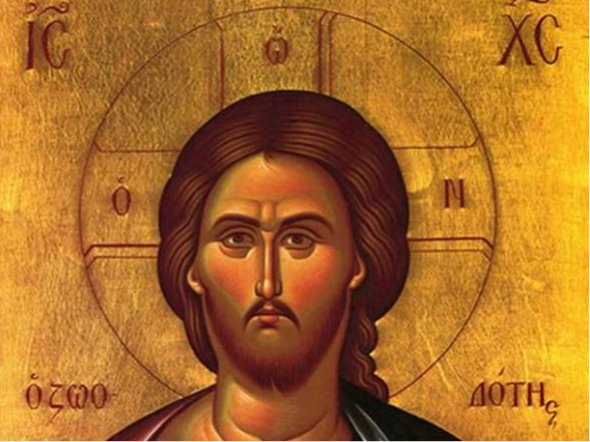
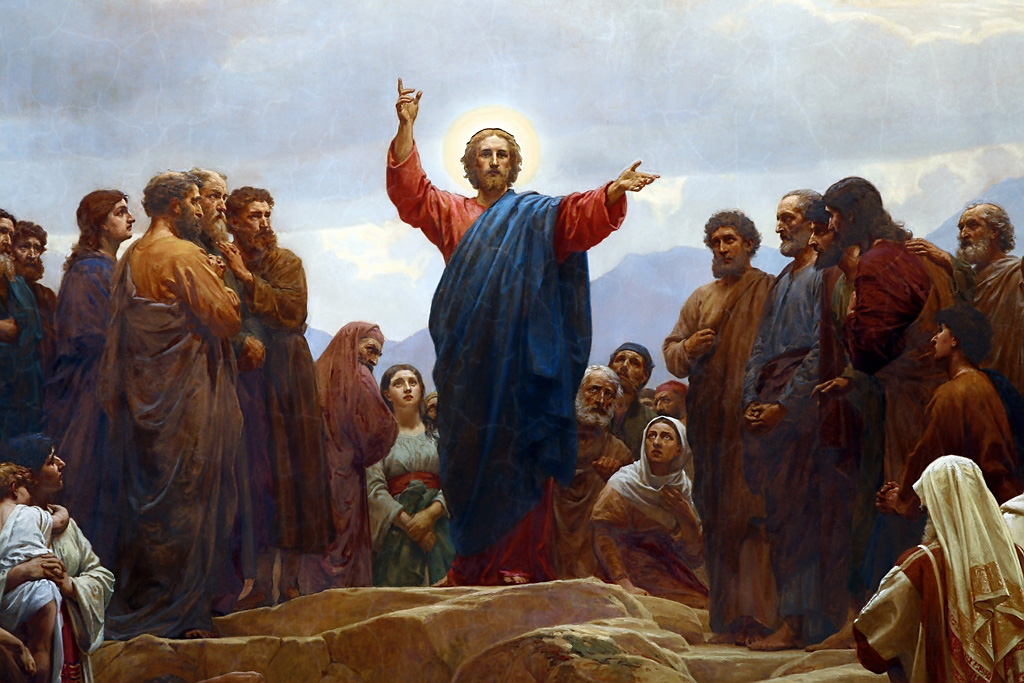
‘Seeing the crowds, he went up on the mountain, and when he sat down, his disciples came to him. And he opened his mouth and taught them, …’ Matthew 5:1-2
Extract from the Preface to the RE Directory: to know you more clearly
Over 170 years ago, the Catholic Bishops of England and Wales insisted that the newly restored Catholic communities of these islands should ‘prefer the establishment of good schools to every other kind of good work’ (First Provincial Synod of Westminster, 1852). In this, they recognised the crucial role that good Catholic schools play in the educational mission of the Church to make ‘Christ known to all people’ (Christ at the Centre, 2012, p.7). Good Catholic schools play their part in this mission by supporting parents in the formation of their children as disciples of the One who
calls them to life in all its fulness (Jn 10:10).
The importance of ‘good Catholic schools’ has not diminished over time. Whilst their educational and structural forms have had to adapt to political and social changes, the mission of Catholic schools remains unchanged. At the heart of that mission is good religious education. Similarly, while changes in culture and society have presented new challenges for Catholic school leaders and teachers, their role as religious educators remains as vital today as ever to the mission of Catholic schools.
In a Catholic school, all pupils are invited to encounter Our Lord and Saviour Jesus Christ as the living person at the heart of their study in a way that respects their individual religious identity. As well as seeking to assist parents with the education and religious formation of their children, Catholic schools strive also to be of service to society. Religious education plays its part in this endeavour by enabling all pupils ‘to be confident and secure in their religious faith and knowledgeable and respectful of other religions,’ and so play ‘a crucial role in building a cohesive society’ (Christ at the Centre, 2012, p.9).
Click on the image above to view and download the RE Directory
Aims of religious education
The aims of religious education are:
- to engage in a systematic study of the mystery of God, of the life and teaching of Jesus Christ, the teachings of the Church, the central beliefs that Catholics hold, the basis for them and the relationship between faith and life;
- to enable pupils continually to deepen their religious and theological understanding and be able to communicate this effectively;
- to present an authentic vision of the Church’s moral and social teaching to provide pupils with a sure guide for living and the tools to critically engage with contemporary culture and society;
- to give pupils an understanding of the religions and worldviews present in the world today and the skills to engage in respectful and fruitful dialogue with those whose worldviews differ from their own;
- to develop the critical faculties of pupils so to bring clarity to the relationship between faith and life, and between faith and culture;
- to stimulate pupils’ imagination and provoke a desire for personal meaning as revealed in the truth of the Catholic faith;
- to enable pupils to relate the knowledge gained through religious education to their understanding of other subjects in the curriculum.
Outcome of religious education
The outcome of excellent religious education is religiously literate and consciously engaged young people who have the knowledge, understanding, and skills – appropriate to their age and capacity – to reflect spiritually, and think ethically and theologically, and who recognise the demands of religious commitment in everyday life.