Prayer and Liturgy in our Secondary Schools
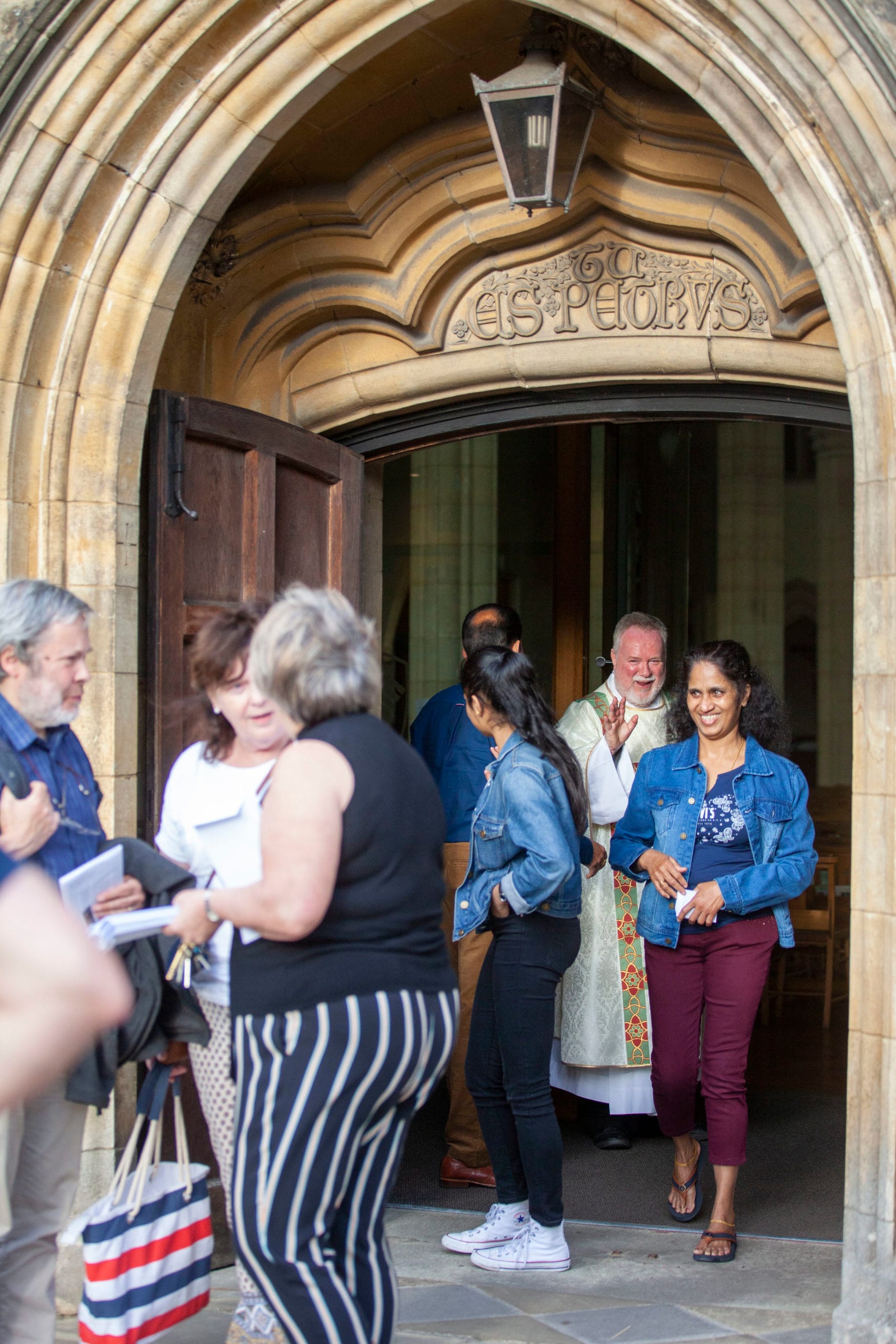
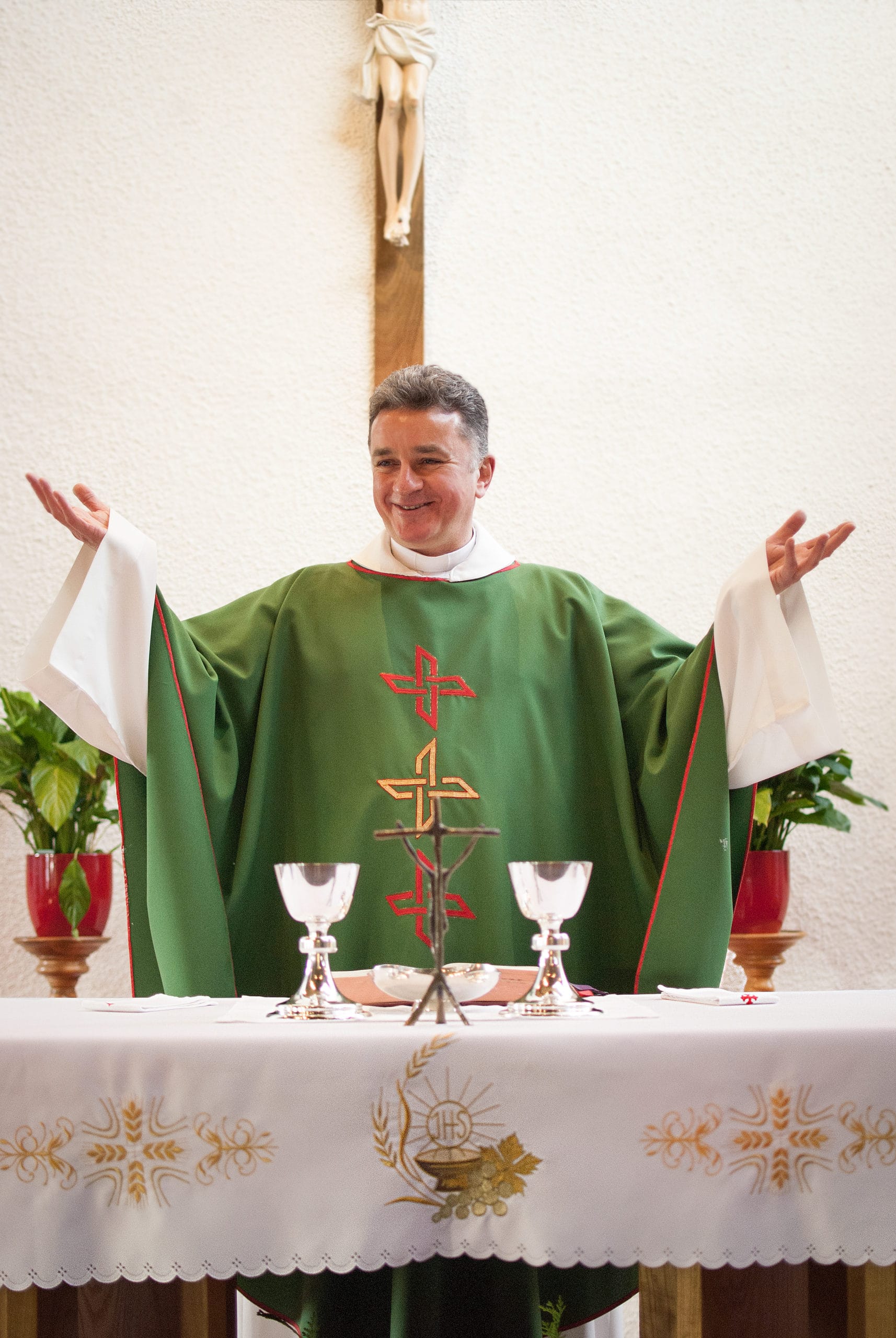
Throughout the year, Catholic school communities come together to celebrate important events in the Church’s calendar, such as Lent and Advent, as well as the start and end of the academic year. Through regular prayer and worship, including Mass, the rhythm of the Church’s year becomes a normal part of school life and each student’s life.
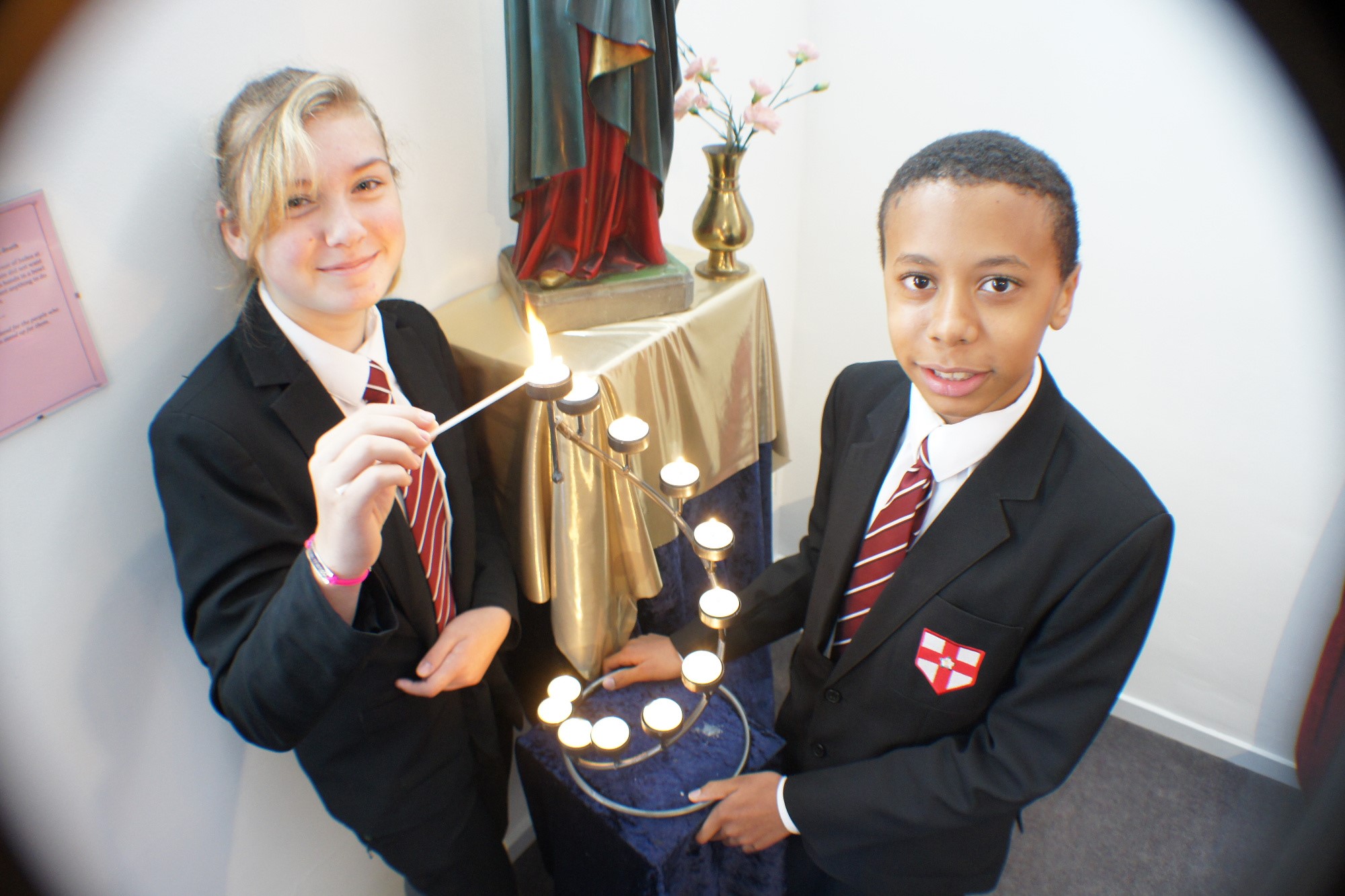
Taking part in daily collective worship helps build community cohesion by creating a consistent structure around the core values and symbols of Christianity. Worship is crucial to the spiritual life of the school and to students’ moral and spiritual development. It is an important part of a Catholic school’s distinctive ethos.
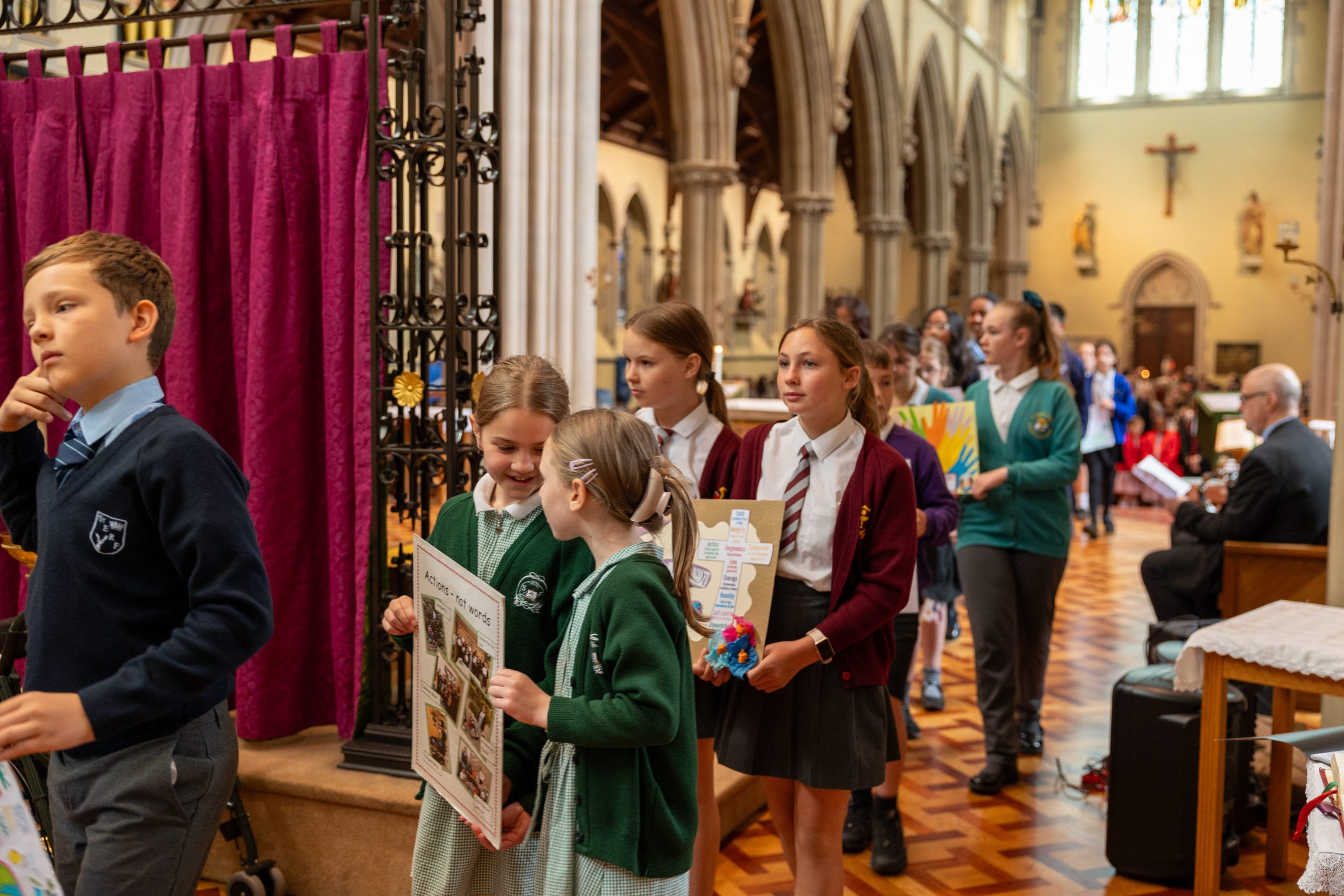
In our Catholic secondary schools, student participation and engagement in worship are important criteria in the diocesan inspection of Catholic education, not least during the daily act of worship. From Year 7 to Year 13, students are invited to play an active part in the school’s prayer and liturgy.
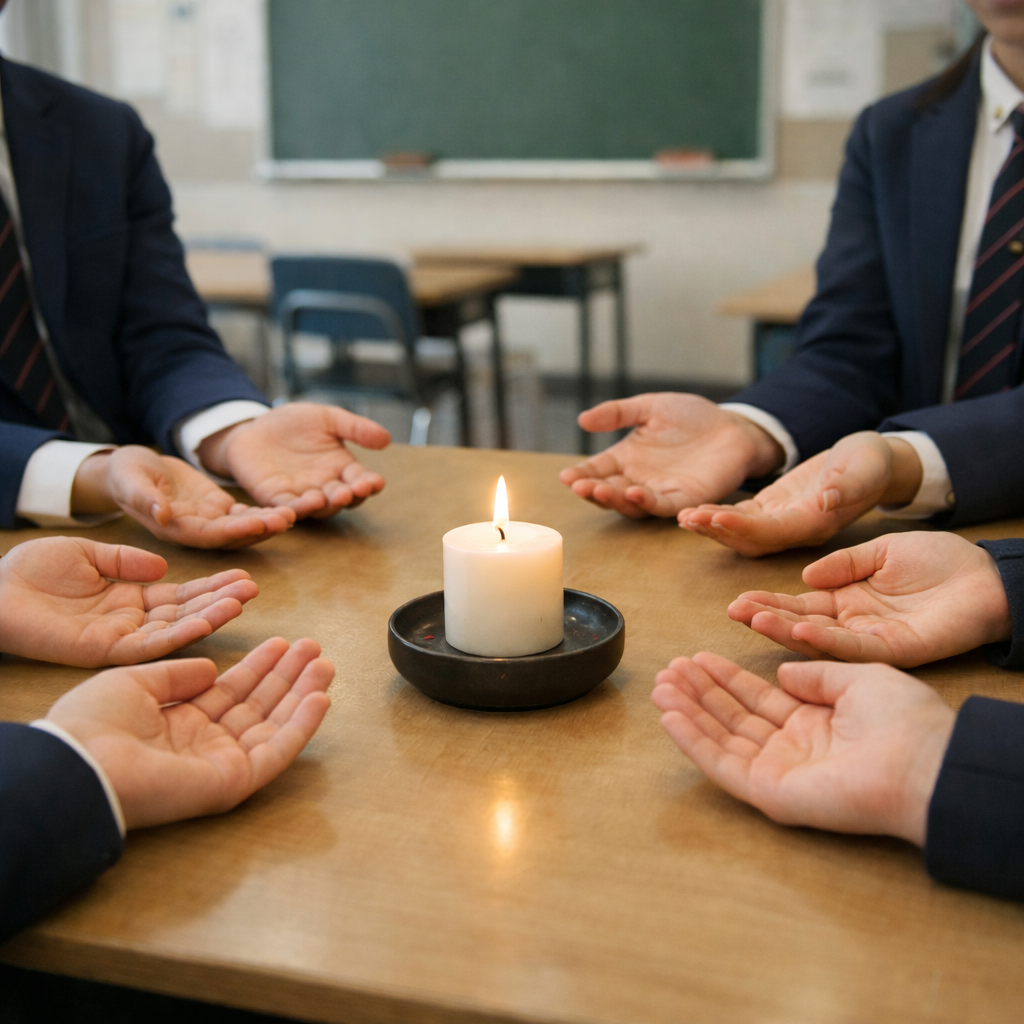
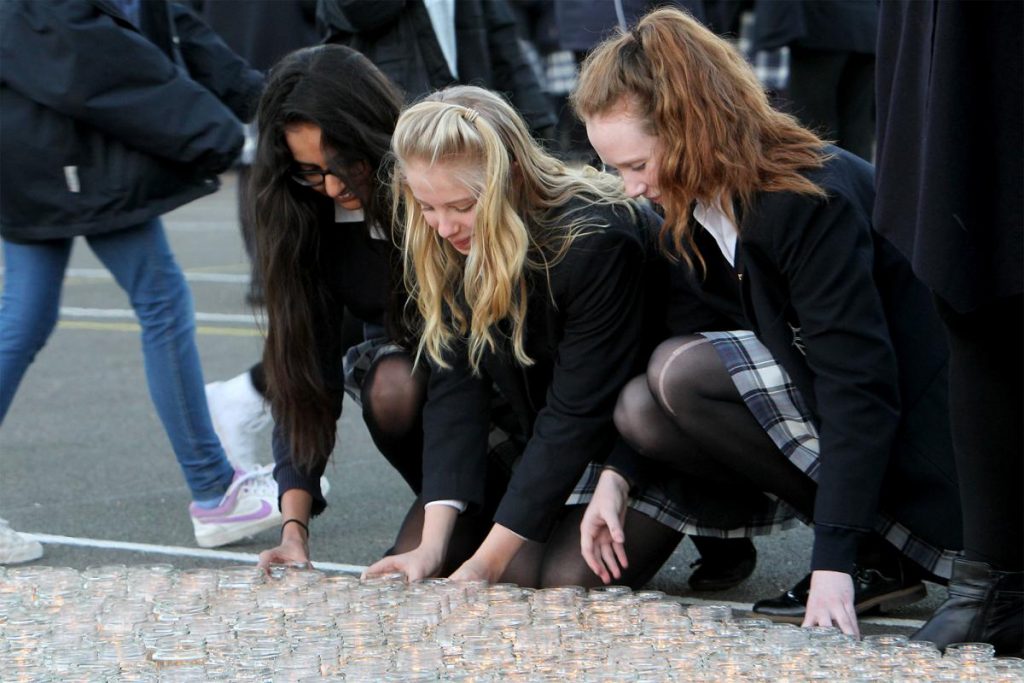
In prayer and liturgy we want all our schools to achieve the following outcomes for their pupils as set out in the Catholic School Inspection framework:
- Pupils respond well to the experiences of prayer and liturgy provided by the school. They participate in them by, for example, reflecting in silence, joining in community prayer with confidence and singing readily.
- Appropriate to their age and capacity, pupils understand a variety of ways of praying that are part of the Catholic tradition. This would include, for example, the use of scripture, symbol, silence, meditation, reflection, and liturgical music. They can describe the parts of the Church’s liturgical year and articulate how it influences the prayer life of the school.
- Pupils work well with others, such as teachers, other pupils, and chaplains, to prepare engaging experiences of prayer and liturgy. Due to the school’s provision of liturgical preparation for pupils, they undertake liturgical ministries willingly and are involved in evaluating the quality of the prayer and liturgy they have planned.
- Pupils are able to recognise and articulate the ways in which prayer and liturgy influence and are influenced by both the curriculum and the wider life of the school.
- Pupils understand how to reflect on their experience of prayer and liturgy. They can articulate the ways in which these experiences have led to action.